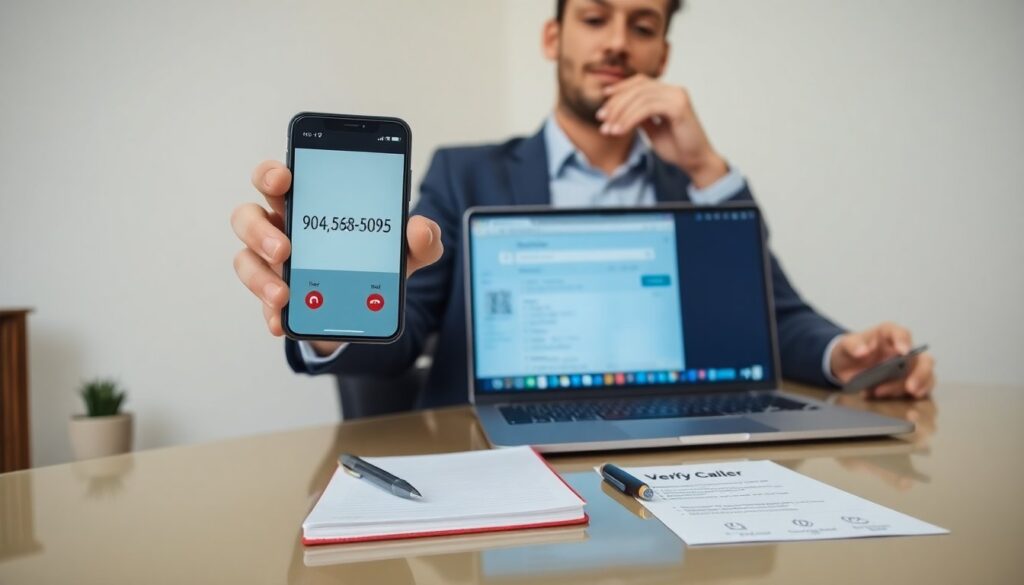
9045585095 appeared on a phone. The number flagged curiosity and concern. The reader wants to know who called, if the call is safe, and what steps they should take. This article shows clear checks, quick signals of fraud, and a short verification workflow. The tone stays direct and practical. The guidance suits people who want fast, reliable action.
Key Takeaways
- The phone number 9045585095 is linked to a Florida area code and may be used by legitimate businesses or scammers using local number spoofing.
- Always verify unknown calls from 9045585095 by performing reverse lookups on trusted sites and contacting businesses through official channels, never using numbers provided during the call.
- Red flags include demands for immediate payment via gift cards, cryptocurrency, or wire transfers, and requests for sensitive personal information.
- If you suspect fraud, immediately hang up, block the number, and report it to your phone carrier and the Federal Trade Commission (FTC).
- In case of shared financial or identity information, contact your bank, freeze accounts, change passwords, and consider fraud alerts or credit freezes.
- Keep detailed records of calls and voicemails from 9045585095 and rely only on official agency communications for any urgent notices.
Quick Snapshot: What 904‑558‑5095 Likely Indicates
The number 9045585095 likely belongs to a Florida area code. The 904 prefix serves northeastern Florida. A call from 9045585095 may come from a business, a local service, or a scammer. Many callers use local numbers to increase pick-up rates. If the caller used an automated message, the call may be part of a robocall campaign. If the caller introduced themselves clearly and replied to questions, the call may be legitimate. If the caller pushed for money, personal data, or immediate action, the call may be fraudulent. The reader should treat unknown calls with caution and verify identity before sharing data.
How To Verify The Caller: Tools, Sources, And Best Practices
The person should start with a simple reverse lookup. The person should search the number in a major search engine. The person should check social platforms and local business listings. The person should look for repeated complaints or matching business names. The person should confirm caller identity by calling the official company line from its website. The person should avoid using any contact number the caller provides during the suspicious call. The person should note call time, exact caller words, and any callback number. The person should report the number to their carrier and to the FTC if they detect fraud.
Step‑By‑Step Reverse Lookup Workflow (Sites, Apps, And Carrier Checks)
The person should follow this step list. Step 1: Open a search engine. Enter 9045585095 in quotes. Step 2: Scan results for business pages, forum posts, and complaint sites. Step 3: Open trusted reverse‑lookup sites such as Whitepages, Truecaller, or the carrier lookup on the FCC site. Step 4: Compare results across two or three sources. Step 5: Check the number on social platforms to see if businesses list it. Step 6: If results show complaints, treat the call as suspicious. Step 7: If the number appears tied to a known business, call that business using its official site number. Step 8: If the caller asked for money, hang up and block 9045585095. Step 9: File a report with the phone carrier and with Federal Trade Commission (FTC). Step 10: Enable call‑blocking features on the device and register complaints with the carrier to reduce future calls.
Common Scams, Red Flags, And What To Do Next
Scammers often spoof local numbers like 9045585095 to gain trust. They use common scripts to pressure the recipient. One red flag: the caller demands payment by gift card, cryptocurrency, or wire transfer. Another red flag: the caller says the recipient owes taxes or faces arrest unless they pay now. A further red flag: the caller asks for account passwords, social security numbers, or one‑time codes. The person should follow three steps when they see red flags.
Step A: Stop the call. The person should not supply any data. Step B: Verify independently. The person should call the official company number from its website or recent bill. Step C: Report the call. The person should file a complaint with the FTC and their carrier. The person should also block 9045585095 on the device and add the number to any blocklist the carrier provides.
If the person already shared financial data, they should contact their bank immediately. The person should freeze accounts and change passwords. The person should enable two‑factor authentication on important accounts and watch statements for unauthorized charges. The person should consider a fraud alert or credit freeze with the major credit bureaus if they shared identity data.
If the caller left a voicemail that sounds threatening or urgent, the person should save the message. The person should provide that message to the carrier and to law enforcement if needed. The person should not return messages to unknown services that ask for payment. The person should rely on official notices from agencies and companies rather than a single phone call.
Finally, the person should keep records. The person should record dates, times, caller words, and any numbers given. The person should update their phone settings to block unknown callers and report repeat calls to the carrier. These actions reduce the risk of future fraud linked to 9045585095.