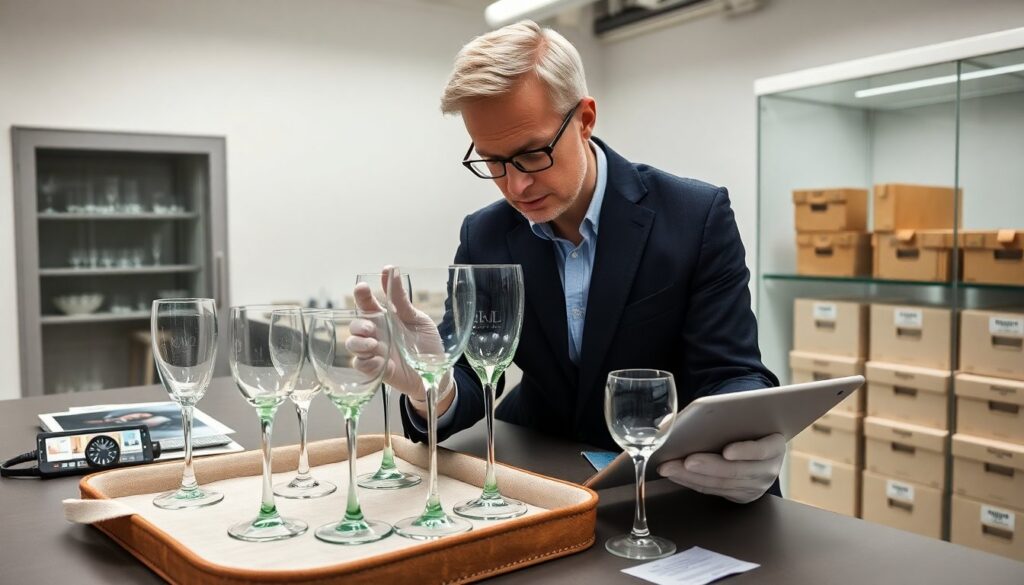
Rämergläser refers to a group of historic German wine glasses that collectors value for their age and design. The article defines rämergläser, explains their uses, and shows why collectors study them. The text gives clear steps to identify, care for, and value rämergläser. Readers will get practical tips they can use when they find a possible piece at a market or inherit one.
Key Takeaways
- Rämergläser are historic German wine glasses prized by collectors for their unique hand-blown construction, decorative engraving, and historical significance.
- Identifying rämergläser involves examining the bowl shape, stem style, foot profile, and glass quality including bubbles and pontil marks.
- Proper care of rämergläser includes hand washing with mild soap, avoiding stacking, and protecting them from direct sunlight and temperature changes to preserve their value.
- Collectors determine the market value of rämergläser based on condition, rarity, provenance, and confirmed authenticity through careful inspection and documentation.
- Displaying rämergläser safely requires padded, stable surfaces away from high-traffic areas, with controlled light and humidity for high-value pieces.
- When buying rämergläser, set a budget, verify condition and repairs, purchase from reputable dealers, and keep detailed records for insurance and resale purposes.
What Are Rämergläser? Definitions, Typical Uses, And Why They Matter Today
Rämergläser are historic drinking glasses made in German-speaking areas from the 17th to the 19th century. Collectors use the term for several glass types that share similar shapes and decorative styles. People used rämergläser for wine, spirits, and table service at home and in taverns. Craftsmen often blew the bowl and added a stem and foot by hand. Many pieces show cutting, engraving, or gilding. The glass can appear clear, slightly green, or with small bubbles. Collectors value rämergläser for their age, handwork, and the information they give about past tastes. Museums display rämergläser to show daily life and social customs. Private collectors look for intact pieces and original decoration. A clear description helps buyers and sellers agree on identity and condition. The term rämergläser helps collectors search catalogs and auction records. It also helps restorers choose correct conservation methods.
History And Cultural Significance Of Rämergläser In Central Europe
Glassmakers began producing stemmed glasses in Central Europe around the 1600s. Craft centers in Bohemia, Saxony, and the Rhineland led production of stemmed glass. These regions used local sand and potash to make glass with a faint green tint. Glassmakers adopted simple bowls and long stems for wine service during the 1700s. Wealthy households commissioned finely cut and engraved rämergläser for special events. Taverns used plain rämergläser for everyday drinkers. The decoration and form reflect taste and social rank. Engraving motifs included initials, dates, religious symbols, and civic emblems. Some rämergläser show coats of arms or guild marks that trace back to towns. Changes in production and style track trade and fashion shifts between 1700 and 1850. Many surviving examples moved from use into cabinets of curiosities and later into museums. Modern collectors value rämergläser for their link to craft history and daily life. The glasses help historians study drinking customs and local economies.
How To Identify, Care For, And Value Rämergläser
Collectors identify rämergläser by form, decoration, and glass quality. They check the bowl shape, the stem type, and the foot profile. They look for grinding lines, air bubbles, and pontil marks. They match these features with dated examples in museum records or auction catalogs. They note any engraving or gilding that could show a maker or owner. They test glass clarity under a lamp to see small repairs or later additions. They record all marks and measurements before any cleaning. Proper care preserves value and prevents damage. Owners store rämergläser upright on padded surfaces. They avoid stacking and heavy handling. They keep pieces away from direct sunlight and rapid temperature shifts. They wash pieces by hand in warm water with mild soap. They rinse thoroughly and dry on a soft towel. They avoid abrasive pads and strong detergents. Conservators recommend minimal intervention for old decoration. Experts may use conservation-grade adhesives and materials when repair is necessary. Insurance and proper storage protect collections from loss and breakage.
Key Physical Features, Materials, And Maker’s Marks To Look For
Collectors note five main physical features on rämergläser. They check the bowl diameter and profile. They examine the stem for hollow or solid shapes and for knop or baluster styles. They inspect the foot for a concave or flattened base and for ground surfaces. They look for pontil scars or grinding lines under the base. They study the glass itself for tint, bubbles, and striations that show hand production. Materials include soda or potash glass with silica from local sand. Maker’s marks remain rare on small items, but engraving or etched initials can act as ownership marks. Guild stamps appear on some larger sets and on storage crates. Printed papers or old auction labels on bases can give provenance. Photographs and measurements help match unknown pieces to known examples. Specialists use magnification to study tool marks and wear patterns. Each feature helps date a piece and suggest a likely region of manufacture.
Care, Display, Buying Tips, And What Determines Market Value
Collectors value condition, rarity, and provenance when they price rämergläser. Condition includes chips, cracks, and signs of repair. Rarity relates to shape, decoration, and maker. Provenance covers past ownership, catalog entries, and museum records. Buyers check auction results for similar pieces to set realistic prices. Buyers inspect items in person when possible. They ask sellers about repairs and request photos of base and decoration. They compare patina and dirt patterns to other aged glass. For display, collectors use stable shelves with padded liners. They place glass away from high-traffic zones. They rotate exhibits to limit light exposure. For high-value rämergläser, collectors use display cases with controlled humidity and temperature. For purchases, collectors set a budget and walk away when a price feels wrong. They buy from reputable dealers and ask for written condition reports. They keep records of each piece, including purchase receipts and photos. These records support future sales and insurance claims.