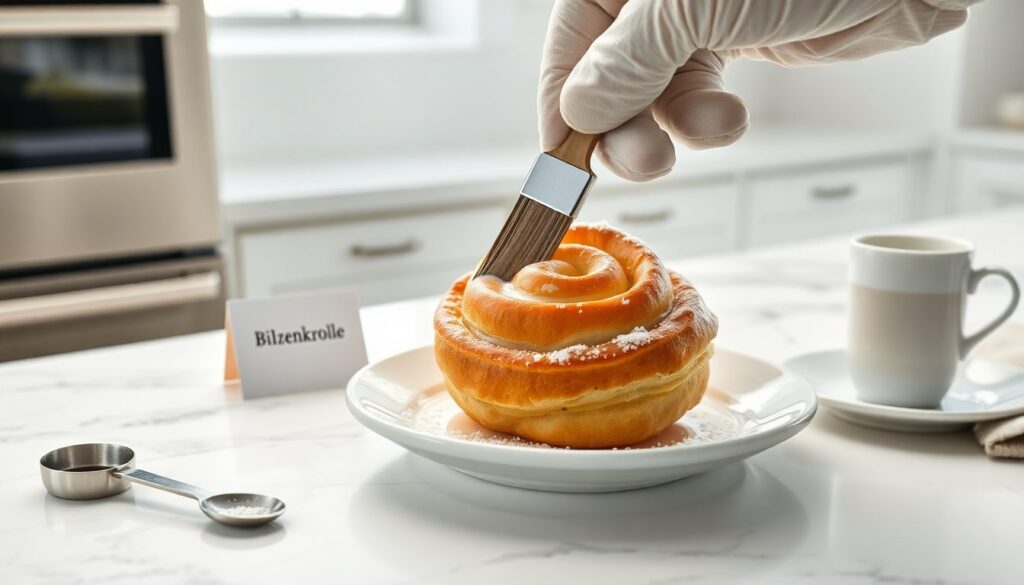
Bilzenkrolle is a small sweet roll from Bilzen, Belgium. The pastry blends soft dough, a light filling, and a thin sugar glaze. This article explains what bilzenkrolle is, where it comes from, how bakers make it, and how to store and serve it. The text keeps steps clear and simple for home bakers and curious readers.
Key Takeaways
- Bilzenkrolle is a traditional Belgian sweet roll known for its soft dough and light filling, making it ideal for those who enjoy mildly sweet pastries.
- The roll originates from Bilzen and has cultural significance in local markets and family baking traditions, especially during seasonal fairs.
- Classic bilzenkrolle recipes use simple ingredients like wheat flour, fresh yeast, sugar, milk, and butter, resulting in a soft, slightly chewy texture.
- Home bakers can follow a straightforward step-by-step process to make bilzenkrolle, from mixing the dough to baking and glazing the rolls.
- Modern variations include subtle additions such as lemon zest, cinnamon, or pistachio paste, keeping the roll’s light character intact.
- For best freshness, store bilzenkrolle at room temperature in a paper bag for two days or freeze for up to a month, and serve it warm paired with coffee or mild tea.
What Is Bilzenkrolle? A Clear Definition And Quick Overview
Bilzenkrolle is a yeast-raised roll with a mild sweet filling. It looks like a small spiral and weighs about 40–60 grams. Bakers shape the dough into tight rolls before a short proof and a fast bake. The texture stays soft inside and slightly chewy at the edge. Local bakers serve bilzenkrolle at breakfast, coffee breaks, and market stalls. The pastry keeps its shape well and travels easily. It appeals to people who prefer light, mildly sweet baked goods rather than rich, heavy desserts.
Origins, History, And Cultural Significance In The Bilzen Region
Bilzenkrolle started in the early 20th century in small Bilzen bakeries. Bakers made the roll from available ingredients: flour, butter, sugar, and milk. Local families brought the pastry to markets and gatherings. The roll gained a local name and slow popularity across Limburg province. People in Bilzen teach the recipe to younger bakers as a local craft. The roll marks seasonal fairs and church events. Chefs now reference bilzenkrolle when they present regional menus. The pastry connects daily life, market culture, and family baking in Bilzen.
Traditional Ingredients And How They Shape Flavor And Texture
The ingredient list for bilzenkrolle stays short and clear. Bakers use wheat flour, fresh yeast, sugar, whole milk, and unsalted butter. Some recipes add a small egg for structure and color. The filling uses a thin paste of sugar and butter or a light almond paste. Bakers add a pinch of salt to bring out flavor. Milk and butter make the crumb soft. Yeast gives a mild tang and open crumb. The small sugar glaze adds a delicate shine and a little bite on the crust. Each ingredient plays a clear role in the final roll.
Classic Preparation — Step-By-Step Recipe For Home Bakers
Step 1: Mix flour, yeast, sugar, and salt in a bowl. Step 2: Add warm milk and a beaten egg: stir to form a soft dough. Step 3: Knead in softened butter until the dough becomes smooth. Step 4: Let the dough rest for 45 minutes until it doubles. Step 5: Roll the dough thin and spread the butter-sugar filling or almond paste. Step 6: Roll tightly and cut into 8–10 pieces. Step 7: Proof the pieces for 25 minutes. Step 8: Bake at 375°F (190°C) for 12–15 minutes. Step 9: Brush warm rolls with a thin sugar glaze.
Regional Variations And Contemporary Twists Chefs Are Trying Now
Traditional bilzenkrolle remains common in Bilzen. Some bakers add local flavors like lemon zest or cinnamon in small amounts. A few pastry chefs fold in chopped toasted nuts or a light fruit compote in the center. Some artisans swap almond paste for pistachio paste for color and a nutty note. A modern bakery may glaze the roll with a light coffee syrup for a mild bitter balance. Chefs keep the roll light and avoid heavy creams. These small changes respect the original shape and feel of bilzenkrolle while offering new tastes.
Where To Find Bilzenkrolle: Bakeries, Festivals, And Seasonal Tips
Visitors find bilzenkrolle in Bilzen town bakeries and local markets. Seasonal fairs often feature the roll in spring and autumn. Tourists spot the pastry at morning market stalls near the church square. Some regional bakeries ship small batches for a short time after baking. Buyers should order early on market days to avoid sold-out runs. For the freshest roll, pick it the same day it comes from the oven. Bakers recommend enjoying bilzenkrolle with coffee or a mild tea to match its gentle sweetness.
Practical Baking, Storage, And Serving Tips For Best Results
Bakers store bilzenkrolle at room temperature in a breathable paper bag for up to two days. For longer storage, freeze wrapped rolls for up to one month. Thaw at room temperature and warm for five minutes in a low oven. Reheat in a 300°F (150°C) oven for a crisper edge. Serve bilzenkrolle warm or at room temperature. Pair the roll with black coffee, mild tea, or a glass of milk. Bakers avoid heavy spreads that mask the roll’s subtle flavor. Light butter or no spread gives the truest taste.